Journalism
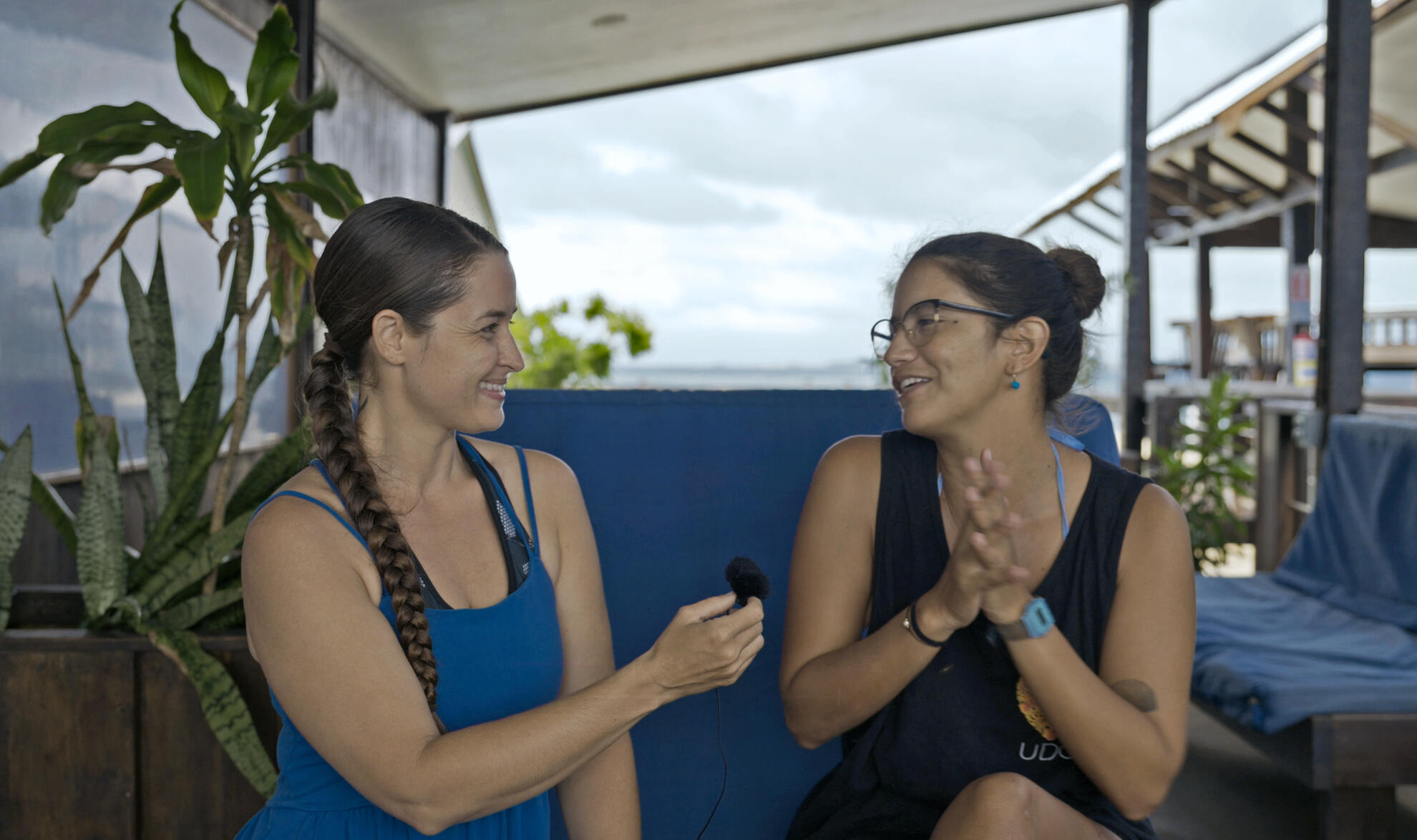
I believe the strongest stories are built on trust, curiosity, and careful listening. My reporting explores the relationship between people and water by documenting the work of scientists, conservationists, and local communities, while ensuring their experiences and perspectives remain at the heart of every story.
Photography
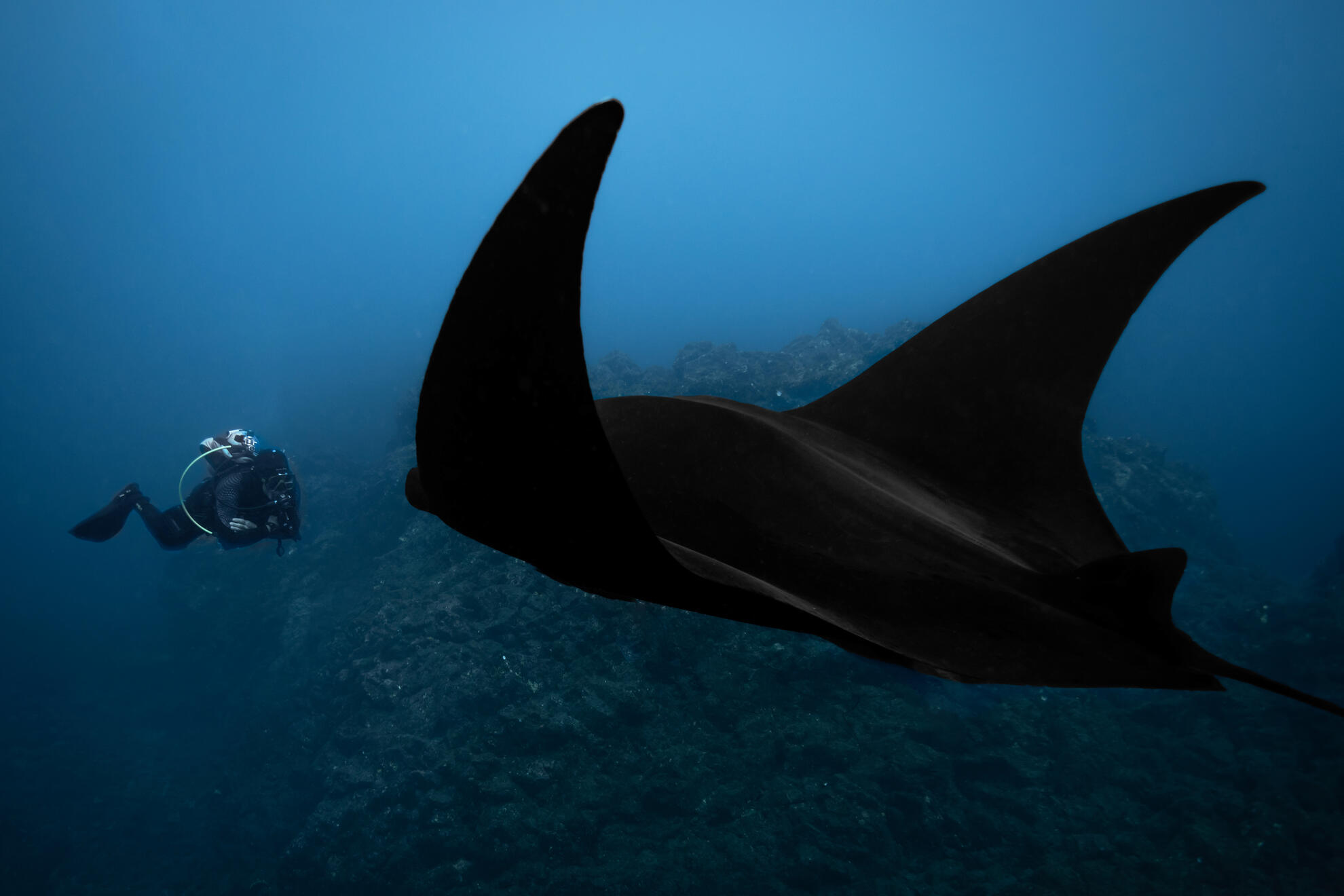
I photograph with gratitude. Before I lift my camera, I take in the place with all my senses, allowing the experience to exist beyond the frame. Every image is made with patience and respect—for wildlife, for people, and for the landscapes that have welcomed me into them.
Collaborations
Like water, ideas are shaped by what they encounter. Collaboration invites different disciplines, experiences, and perspectives to flow together, creating work that is richer, more thoughtful, and more impactful than any individual effort. It is one of the most rewarding parts of my work—a space where teaching and learning happen simultaneously.
Videography
Some stories ask to be experienced in motion. As a natural extension of my photography and journalism, I continue to explore videography as another way to document the relationship between people, wildlife, and water—capturing not only what a place looks like, but how it feels.
About
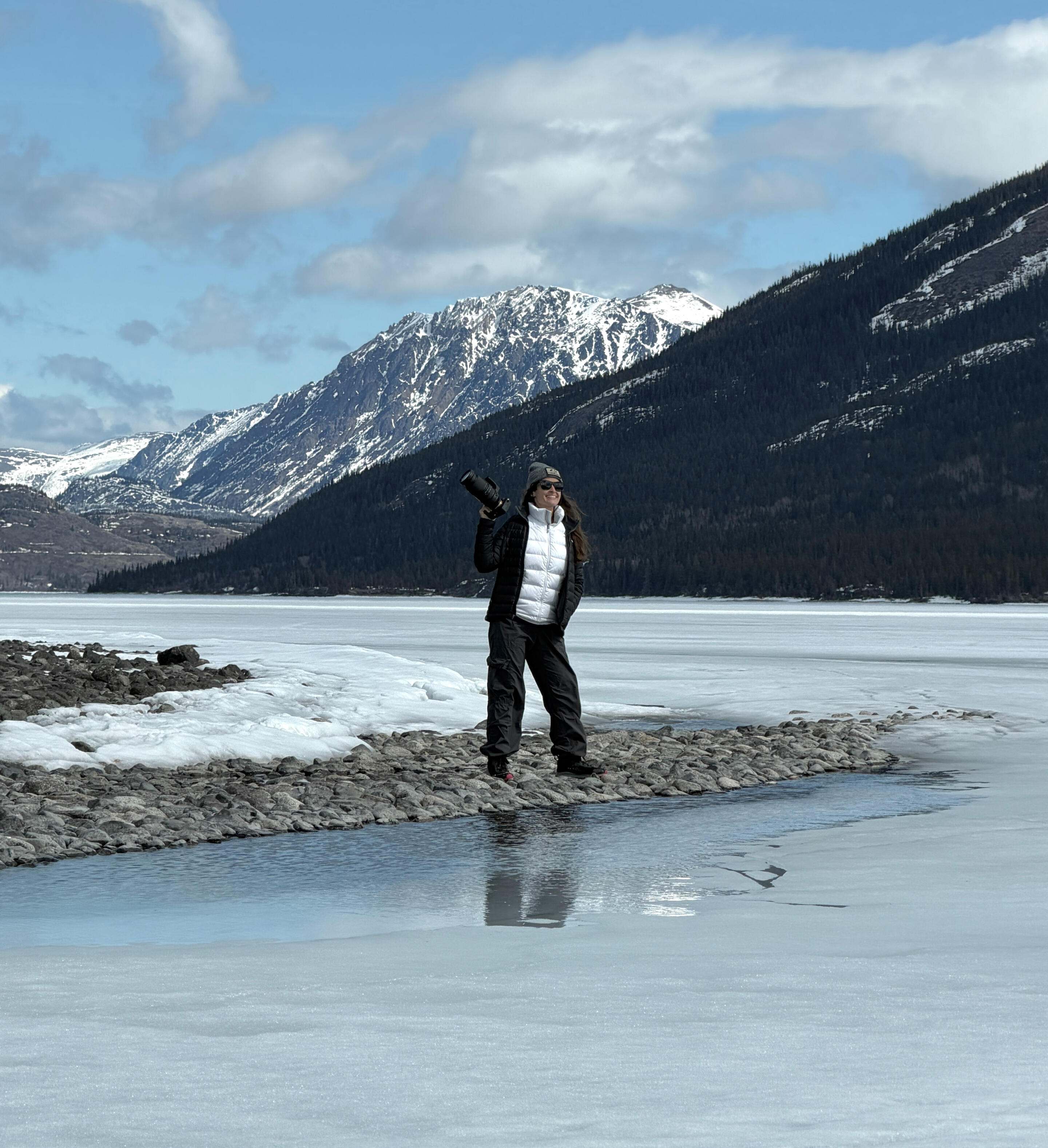
Most at home when I’m far from home, I thrive in unfamiliar places and believe that growth begins just beyond the edge of comfort. Curiosity has led me across oceans, deserts, mountains, and into communities whose stories continue to shape the way I see the world.
Partners & Publications








Publications
Stony Coral Tissue Loss Disease
Sargassum
Island Life
Cayos Cochinos Archipelago
Invasive Lionfish
"The Other Pandemic"
Originally published in DIVER Magazine
While humans are battling an unprecedented pandemic, the corals of the Atlantic and Caribbean are suffering from their own unprecedented disease… Stony Coral Tissue Loss Disease (SCTLD). A disease so deadly, it can wipe out a 200-year-old coral colony within two months of infection.What began in the waters of Miami-Dade County in 2014, has since spread from the Florida Reef Tract to the Mesoamerican Reef via currents, ballast water, and direct contact. As of November 2021, SCTLD has been confirmed in 20 countries and territories.One of the most recent countries to be hit by this coral epidemic is Honduras. Just off the northeast coast, lies an archipelago, consisting of three main islands, Roatán, Útila, and Guanaja. Along with a group of cays named Cayos Cochinos, this marine protected area of Honduras is known as the Islas de la Bahía, or the Bay Islands.Throughout the years, the corals of the Bay Islands have suffered through bleaching events, the lionfish invasion, and some of the most notable coral disease outbreaks. White band disease, for instance, decimated Caribbean acroporas in the 1980s and 1990s. After all, disease is a common occurrence in any reef ecosystem.“Corals are animals just like you and me. They contract diseases in the same way. When you are healthy your body is able to fight off bacteria and viruses. When you are stressed, your immune system is weakened and you are more susceptible to diseases,” said Andrea Izaguirre, a member of the SCTLD Response Team in Útila.Coral diseases are not new. Ever since 1972, when they were first officially recognized, scientists and conservationists have been working tirelessly on coral research, treatment, and restoration. Yet the outbreaks keep increasing, both in quantity and severity.“Stony coral tissue loss disease is a coral disease of the likes we have never seen before,” said Alex O’Brien, marine biologist and GoEco Program Director at Útila Dive Center.There are a number of factors as to why this particular disease has everyone in the Caribbean on high alert. It is hard to diagnosis, no one knows exactly what is causing it, it spreads and kills incredibly fast, and it affects a high number of species, specifically reef builders.Reef builders are special in the sense that they make up the three-dimensional structure of a reef. Imagine going diving and seeing a flat topography, an abundance of soft corals, and less fish.There are more than 30 species of stony corals found in the Bay Islands. SCTLD affects 22 of them. This disease has a lot of potential for dramatic and lasting changes, and not just in biodiversity. Local communities and tourism will see a negative impact as well.For the past seven years, the Caribbean and Western Atlantic have watched SCTLD spread throughout the region. Scientists closest to ground zero in Florida, have been scrambling to come up with answers. All eyes are on Florida. Any information or advice is quickly shared, in an effort to prepare countries for when (not if) the disease hits their corals.“Everyone is on red alert. There’s a regional harmony. I am seeing a lot of support and communication from many other countries. Everyone is working together to try and find a solution,” said Andrea Godoy Mendoza, Marine Conservation and Social Development Coordinator for Fundación Cayos Cochinos.A great deal of what is known of SCTLD, was learned through time and experience. Florida has categorized the disease into four outbreak stages: pre-invasion, invasion, epidemic, and endemic. The Bay Islands, collectively, are currently experiencing all four stages at once.Roatán, the largest and most well-known of the Bay Islands, was hit first. In September 2020, a citizen scientist reported a sighting to the Roatán Marine Park, and thanks to photos the diver took, it was quickly confirmed.The confirmation of SCTLD came as no surprise, in fact Roatán had been waiting, even preparing for it. Roatán Marine Park began spreading awareness through campaigns and webinars a year before the disease reached the island. They prepared themselves with plans of action for monitoring and had the necessary documentation on stand by in order to apply for the permits required to purchase supplies for treatments.In reality, there is only so much you can actually prepare for. “We prepared the ground, but when it came, we had to learn through doing. This whole year has been about learning through doing,” said Damaris Duenas, biologist and Research Associate for Roatán Marine Park.The rest of the Bay Islands watched and waited for nearly a year. The non-governmental organizations responsible for managing the marine protected areas, stayed in constant communication with one another. Roatán Marine Park became the main source of information for the smaller islands.Another preparation method that was implemented was disinfection protocols, partly dispersed through SCTLD awareness campaigns, but it was also the new standard amongst dives shops because of COVID.Dive shops are asked to disinfect all dive gear at the end of every dive and in between dives on surface intervals in a 0.5% bleach solution. It is also recommended that when choosing dive sites to visit, first go to an unaffected site, and an affected site second. Although not proven, there is strong evidence that divers unknowingly spread the pathogen from dive site to dive site through SCUBA gear.After nearly a year, SCTLD was unfortunately spotted on Útila’s northeast side by O’Brien and confirmed by the Bay Islands Conservation Association (BICA) in Útila on June 27, 2021. Monitoring it closely, Útila can confidently report that in just four months, it has encircled half the island.Officially, SCTLD monitoring around Útila happens once a month. However, on an island where dozens of divers are in the waters all day, every day, it has become an all hands on deck situation.BICA has asked divers for help. Any diver that suspects the disease is asked to submit a photograph along with the dive site. These preliminary monitoring methods are crucial in diagnosing the initial impacts, especially when you have a disease that spreads faster than official monitoring can take place.Monitoring for SCTLD is done in one of two preferred methods. The first is the manta tow method, effective most during the invasion and endemic stages and used to cover large areas. This is where a diver is towed by the boat and gets dragged across the surface of the water, observing the reef from a bird’s eye view.The second method, the roving diver, is used for a more detailed account of the disease, which is why it is best during the epidemic phase. A team of two to four divers visit sites with SCTLD, count and document infected colonies, and use these numbers for quantifiable data.Útila is currently entering into the worst phase, the epidemic. A huge indicator in diagnosing SCTLD, is when the invasion stage occurs, it first attacks the highly susceptible species.There are eight species that are considered highly susceptible, but the grooved and boulder brain corals, as well as pillar, are the most notable. Pillar corals are especially revered due to their endangered status and rarity. Sadly, Florida recently reported a regional extinction of pillar corals in the Florida Tract due to SCTLD.Cayos Cochinos was the last of the Bay Islands to confirm and report the disease. It has only recently confirmed SCTLD presence at one, semi-contained site, a seamount called Roatán Banks. The invasion is only just beginning for this highly protected marine area, but monitoring and treatment efforts have already begun.“I remember diving the site [in September] and being blown away. I was actively looking for signs of the disease and did not really see any. Going back a couple months later, and seeing all the colonies affected in such a short amount of time, it hit hard,” recalled Godoy Mendoza.Immediately prior to a treatment dive, an epoxy is prepared by mixing a jar of Base2B (a specially designed paste by the Ocean Alchemists) with 50 grams of amoxicillin. The mixture, sticky and thick, is transferred into six to seven catheter syringes. It is very important to keep the medicine chilled until you are ready to use it.Armed with the epoxy filled syringes, trained divers go to SCTLD confirmed sites and choose approximately a dozen corals to treat. Corals are chosen by size and number of lesions. If a coral is too small, relative to its sexual maturity, or the rate of infection is too high, it is not worth treating.The medicine is applied by hand, directly onto the coral, following the edge of where the dead tissue meets the healthy tissue. If you look closely enough at a coral with active SCTLD, you can see the tissue literally dissolving before your eyes.Although no pathogen has been confirmed, the culprit is suspected to be a bacteria. This is based on the fact that antibiotics seem to be the only thing proven to halt the spread of the disease.This treatment is not a cure, it is only a method used to slow the progression. Success rates of the treatment also vary among coral species.“When we treat the lesions we are only helping that one wound. It does not mean that colony has now gained some immunity,” said John Bodden, Research Coordinator at Útila Coral Restoration.The epoxy, specifically the Base2B component, must be purchased by registered and approved entities. Each of the Bay Islands are required, by the Gulf and Caribbean Fisheries Institute, to obtain separate permits in order to purchase the epoxy ingredients, and to apply the treatments.Above all else, the epoxy is expensive. One jar of Base2B costs $50 and has a shelf life of three months.Roatán has spent about $14,000 in the last year just on Base2B. This does not include the costs of the amoxicillin, the materials, the dive equipment, the boat, or the staff needed for treatment dives.Data and numbers from Roatán are still being collected and interpreted. The main question on everyone’s mind is, “Have Roatán’s treatment efforts been successful?” As the epidemic stage begins to shift into the endemic stage, Roatán has become a sort of guiding light to the other Bay Islands.“Not everything is lost. There are still corals that are thriving and resilient. They are still spawning. This is a great loss for colonies but there is still hope,” said Duenas, reminiscing on a recent dive Roatán Marine Park conducted to document coral spawning. On this dive, two pillar corals that had been infected and treated were seen spawning, a small but important victory.Coral reefs are strong beyond human measure. It is in their DNA to protect other species and coastlines. Throughout history, they have continued to evolve through Earth’s most devastating phases. Big changes to the world’s coral reefs are unfolding before our eyes, exacerbated by stress from pollution and global warming.One of the hardest jobs of a conservationist is the ability to see the positives, no matter how dire the situation can get.“It feels like it is going to last forever. The only thing that is going to help is to work together. To create more restoration efforts. Treating is only a bandaid. We need to think towards the bigger steps of restoring our reef,” said Duenas.A collective consensus among the Gulf and Caribbean countries has been born from years of dealing with SCTLD. What needs to happen next is more coral restoration efforts.“Don’t take SCTLD as it’s too late, we can’t do anything more for it. It is presenting an opportunity to call for more help in coral restoration. Knowing that there are some corals that have resilience gives hope that the reef will keep on fighting. We just need to do what we can to assist it,” said Bodden.
"The Perfect Storm"
Originally published in DIVER Magazine
As sargassum continues to grow in the open ocean, so does its popularity amongst humans. Once it began washing up on beaches in mass quantities, humans began to open their once blind eye to a seaweed species that has been floating, unassumingly, in the open ocean for centuries.Sargassum, first and foremost, is an algae. A seaweed. There are more than 250 different species of sargassum, but only two of those live their entire lives floating in the ocean. It is these two, sargassum natans and sargassum fluitans, that are multiplying by the tons, washing up along coastlines, and causing all the ruckus.Prior to 2011, sargassum was not a well-known species of seaweed. It had its place in some culinary dishes and traditional medicines, but many people would never be able to identify it from a photo.The Sargasso Sea, a region of the Atlantic Ocean bounded by four gyres and has no land, only floating masses of sargassum, has been known to scientists since Christopher Columbus documented it. However, little had ever been studied on a species that reproduces asexually yet on a seasonal cycle and lives its entire life floating in the open ocean, attached to nothing. A biological enigma.Everything changed in 2011. The Great Atlantic Sargassum Belt (GASB) emerged seemingly out of nowhere, extending from West Africa to the Caribbean Sea and Gulf of Mexico.Not bounded by gyres, the sargassum from the GASB is at the mercy of the wild winds, currents, and tides of the ocean. It did not take long for the ocean to push and pull the sargassum onto shores.Using data collected between 2000-2015 by satellites already in orbit, a team led by Mengqiu Wang and Chuanmin Hu from the University of South Florida confirmed the GASB was not there prior to 2011, and has continued to grow since.“As we began doing this, we were just getting confirmation of exactly how much was out there. What I have seen with all this work is that every time we get a higher resolution satellite or develop a more advanced algorithm, the amount of sargassum increases. Increasing to numbers no one ever imagined,” said Sarah Sullivan, Graduate Research Assistant in the Optical Oceanography Lab at the University of South Florida.So what happened, how did an algal bloom of mass proportions just emerge?
The causes are still being studied, but the overall and vague consensus is that winds played a huge role in the origin phase and it was fueled by not only one determinant.What is known is that we now have an entirely new population of sargassum.“For me, it still remains an enigma, especially in terms of the new population because for such a huge amount of biomass to exist, what is fueling it is, I think, still an open question,” said Ajit Subramaniam, Lamont Research Professor and Oceanographer from Columbia University.Probable stimulations that created a perfect storm for a sargassum bloom of epic proportions include:
Excess nutrient discharge from the Amazon River
Sahara Desert dust (iron and phosphorus added to the ocean through rain)
Changes in winds
Changes in upwellings
Warmer surface temperatures“We're talking about 2011 to now. So basically a little over a decade. It's not a whole lot of time to understand something,” said Edwin Cruz-Rivera, Associate Professor at Morgan State University, who is currently involved in a number of sargassum projects.One factor that has been proven, is that wind and movement have a lot to do with the growth of sargassum.It took Dr. Brigitta van Tussenbroek and her team at the Universidad Nacional Autonoma de Mexico, a couple of years to figure out the key to growing sargassum. “The trick to growing it is movement. Not moving the water around it, the sargassum needs to be moving itself,” said van Tussenbroek.Once they unlocked this mystery, they were able to grow sargassum in a lab. Understanding the basic biology of sargassum is vital to any subsequent future studies and developments to the management and commercialization of it.Sargassum is not a problem… so long as it stays where it belongs. In fact, “in the open ocean, it is a marvelous ecosystem and we really should protect it,” said van Tussenbroek.NOAA considers it a critical fish habitat because it is a nursery ground for commercially important species. It provides shelter and food for numerous species of marine life, baby sea turtles grow up here, eels lay their eggs, and certain fish and sea slugs have evolved to resemble sargassum.The closer sargassum gets to the shore, the more problems begin to surface. Floating near coastlines, mass blankets of sargassum can smother corals and sea grasses, hinder sea turtles from nesting, block water intake systems, and deter fishermen.Most of the animals that live in sargassum are able to abandon their home in time before reaching shore, but many do not and die along with the sargassum.When it finally gets beached and its life cycle ends, that is where direct issues to humans begin. Other than being a nuisance while trying to have a pristine beach day, as sargassum decomposes it releases gases, many toxic to humans and animals. How much and what types of gases have not fully been determined.“I suspect that things like methane and nitrous oxide are produced, but we don't have a clue as to how much [without access to certain technology]. We do know the sulfides are there because we can smell them. If you're working on a cleanup crew, wear some type of face mask just to be safe,” said Cruz-Rivera.Hydrogen sulfide is easily identifiable by humans because of the rotten egg smell it produces. This gas can cause respiratory issues, nausea and vomiting, skin and eye irritations, dizziness, tremors, convulsions, and delirium.Tourists can easily avoid sargassum infested areas. It is the people living in coastal communities or have businesses near a coastline, that are impacted the most.Besides the health risks associated with decomposing sargassum, the gases oxidize technological items like computers and TVs, mechanics, and even jewelry.In order to design effective management and commercialization solutions on a large scale, knowledge and data need to be collected, the more the better. The countries that have been leading the way in the fundamental study and research of sargassum, are the ones where livelihoods are at stake.“All the early warning systems and the large scale remote sensing that let us learn that the Sargassum phenomenon was not related to the Sargasso Sea, but in fact was a new feature of the North Atlantic; all that was done by most of the universities in Florida. But when it comes to the rest, understanding smaller scale dynamics, the uses of biomass, industries like that, they are further along in other countries,” said Cruz-Rivera.Resourcefulness is a natural skill humans have, and it tends to rise up the most when you are presented with limited choices and materials. The urgent need for sargassum solutions occurred in many island nations, places with very little resources to begin with.“I was struggling to get the resources I needed to really scale up the compost operation at the time. When all that sargassum started to wash in, I decided this resource is too abundant for me to ignore, so let me see what I can develop from it. And thankfully enough I was actually able to build a lot of traction making that decision,” said Joshua Forte, CEO and Founder of Red Diamond Compost in Barbados.Red Diamond Compost creates a bio-stimulant for plants and crops from sargassum with incredible results. Faster growth times and higher quality of taste have been consistent results from their Supreme Sea bio-stimulant.The remarkable potential of commercializing sargassum is gaining traction. It is rich in minerals, nutrients, and other properties that make it an incredible natural resource. Since it also contains heavy metals and other toxins, a careful extraction process is necessary.The plausible uses in the pharmaceutical, food, and cosmetic industries are hard to ignore. Small businesses have been busy inventing bricks, concrete, shoes, paper, and even cocktails made from sargassum.“It sounds very easy. Basically, you have to retrieve sargassum and process it. But getting this translated into a vital business case and who benefits, who pays, and who legalizes; that is where the pros come in,” said van Tussenbroek.The main concern of investors is the irregularity of the resource. Although it is likely sargassum in these quantities is here to stay, there is no way to predict or guarantee how much will be produced year to year.There is also the mitigating factor as to who, on a governmental level, is responsible for it once it is beached. Currently, responsibility falls to municipalities and states. However, if further studies prove high levels of heavy metals and other toxins, it will be considered hazardous and the federal government will take over.No matter who has jurisdiction, infrastructure and investments are needed to properly manage and commercialize sargassum in an environmentally responsible way. Scientists need to be actively studying it and consulted with to ensure we are not causing other problems by trying to fix one.“In the beginning, people started to treat it as a one-time emergency. That's not the case. It's not an emergency anymore.We need to change our approach. We need to build an infrastructure to at least collect sargassum in an environmentally responsible way, in sufficient quantities, so it doesn't damage the ecosystem. And then of course, you don't want to dump it on land, you want to process it.For this you need another infrastructure, a whole industry which processes thousands of tons of sargassum. We have a long way to go still to reach it. But I think just getting into this mindset and having a whole population understanding this is the right approach, that already will be an enormous achievement,” said van Tossenbroek.Removal of sargassum from coastlines, or before it reaches the shore, is quickly becoming a fruitful business operation. Grupo Dakatso, a Mexican company, has been working since 2015 evolving their management techniques. Keeping the environment safe while removing sargassum is fundamental for them.According to a study published by Frontiers in Marine Science, the cost of renting barriers and maintenance, monitoring, collection, and trituration of sargassum by Grupo Dakatso is approximately $87,500 USD per km of protected coastline per month.Finding ways to make money from the sargassum collected from these massive and expensive cleanup operations, is the natural next step.The removal and management of sargassum is important, but even more so is the removal of carbon in our atmosphere. Interestingly, sargassum has the capacity to buy us some time through carbon sequestration.“Deep water current modeling tells us that if something is sunk to the ocean depth rate of 2,000 meters than the circulation patterns will keep it out of contact with the atmosphere for at least 100 years,” said Subramaniam.To stay in the safe zone of global rising temperatures, the consensus among scientists is that we need to remove 10 gigatons (GT) of carbon annually from the atmosphere by 2050, and up to 20 GT per year by 2100.Sargassum takes in carbon dioxide and stores it as a mass. By sinking it in vast quantities to the depths of the ocean, Subramaniam believes it will sequester enough carbon, potentially 100,000 metric tons per year, to help… a little.“You can buy time. But in the meantime, you really have to focus on reducing emissions because there's simply no way we can sink the amount of carbon that we are emitting and then some to actually make a difference. It's not a solution. I want to be very clear about that. But if it is an effective way to buy time, then that's something worth considering,” said Subramaniam.A key take-away from the sargassum phenomenon is now, more than ever, the gaps between science, community, and business must be bridged.The company, Seafields, is a positive example of what can happen when the science and entrepreneurship worlds collide.Seafields’ ambitious goal is to create a 94,000km² sargassum farm in the open ocean, where they will compress and bundle sargassum, sink it to the bottom of the ocean, therein locking carbon away for hundreds of years.Seafields was born when Em. Prof. Dr. Victor Smetacek, a world-renowned biological oceanographer, talked about his idea for off-shore aquafarms on a sargassum podcast.Serial entrepreneur Sebastian Stephens, who set up SubSea Environmental Services, came across this podcast, instantly saw the potential, and contacted Dr. Smetacek right away. All because of a podcast.They have recently finished testing and proved that growing sargassum domestically is feasible. Farming sargassum will solve the business issue of inconsistent and unreliable amounts.“We can move forward with our plans to build phase 1 'catch and grow' farms that capture sargassum before it beaches so that we can keep it alive and then harvest it; benefitting from carbon removal while starting to provide processed saragassum for secondary industries such as biofuels and bioplastics,” said Lucy Edwards, spokesperson for Seafields.At first it might be hard to see the positives and potential of sargassum when you are bombarded with the smell of rotten eggs. Bad smells spark a reflex in us to get away, throw it away, do whatever we can to create a safe distance. It is a survival mechanism.In this case, we need to meet sargassum where it thrives. Before it reaches land, before it releases more greenhouse gases, before it becomes a problem we want nothing to do with, like a bad sewage system.We can no longer dismiss sargassum as a mere nuisance. Simply put by van Tussenbroek, “one of the main lessons, of course, is that sargassum is here to stay.”As we peel back the layers through studies, research, prototypes, strategies, and experience, we are only beginning to scratch the surface on a species that is proving to be as deeply fascinating as the ocean it lives on top of.______To stay up-to-date on sargassum blooms, visit the University of South Florida’s Sargassum Watch System, an online bulletin where they post monthly reports.As of May 2023, sargassum decreased in quantity by 15% from April 2023. This is the first time since 2011, a sharp decrease has been witnessed during this time of year. Nonetheless, there is still historical amounts floating around that will end up on shores.
"A Magical Life in Utila"
Originally published in DIVER Magazine
I was sitting at my kitchen table, in my little beach home in Miami, when I first discovered a tiny island called Utila. Thanks to the world wide web, gone are the days of having to venture outside your home to discover far away places.I grew up 1,600 kilometers away from the nearest ocean, yet somehow, I have always felt a strong connection towards it. I inexplicably knew, from a very young age, I wanted the ocean to be a big part of my life.Upon graduation from journalism school, my ideas continued to evolve. A light bulb moment came and I thought, “why not combine my passion for journalism and the ocean into one career?” Without hesitation, I opened my computer to discover what it would take to become a professional scuba diver.It did not take long to find Utila and discover this Caribbean jewel was only 1,281 kilometers from my home in Miami, yet one of the most inexpensive, not to mention best, places in the world to get scuba certified.The coast of Honduras is protected by the world’s second largest coral reef, the Mesoamerican Reef. A short distance from the mainland, lies three inhabited islands, Roatan, Utila, and Guanaja. Together, along with Cayos Cochinos, the marine conservation archipelago, make up the Islas de la Bahia… or the Bay Islands.Roatan is the largest and well known of the three because it is an international cruise destination. Guanaja tends to keep to itself, and Utila… well Utila has a charm all its own.Utila became world famous for its scuba diving in the 90s. Its calm, crystal clear waters, magnificent reefs, and consistent whale shark and dolphin encounters, quickly put it on the scuba diving radar.As Utila began to develop, so did the dive shops. One after another popped up along Utila’s single main street. Fast forward a couple decades, and you can now find about 16 dive shops all within a few minutes of each other.It is not just the amount of dive shops, but the quality. Utila boasts some of the best professional training in the Western Hemisphere. Become a scuba instructor here, and you are almost guaranteed a job anywhere in the world.When I decided to leave my home country for the first time, alone, everyone thought I was crazy to choose Honduras. Not only this, but I also booked my Open Water to Divemaster course without ever having breathed through a regulator.For me, it was simple. I knew what I wanted to do, why I wanted to do it, but most importantly, I had the love and passion for what it would give me…. The chance for the ocean to become my life.Like most people who come to the island to become Divemasters, my first time in Utila lasted about three months. And like most, I fell in love with island life very quickly.Utila has a locally famous saying by Rupert Eden, which sums up the uniqueness and simplicity of the island, “There’s no other place anywhere near this place, just like this place, so this must be the place.”The daily diving, building close friendships with people from all over the world almost instantly, the freedom from the “real world” hustle and bustle, no cars or traffic, the ability to walk everywhere, the simplicity and slow, relaxing pace of everyday life. Oh, and of course, the daily sunset drinks, weekly events, and endless parties at night.All of it, creates a chapter in most people’s lives they remember forever, no matter if they are here for a month or a year.I was no different. After I completed my Divemaster training, I went back to Miami to work and save money for the next phase of my ocean career… underwater photography. I counted the days until I could afford to go back to Utila and take the private professional underwater photography course that was only offered at Utila Dive Center.A year and a half later, in 2019, I was finally ready. I quit my cocktail serving job, booked the course, my flight, and before I knew it, I was back in my dive home.Now I find myself, three years later, living and working on the island that may not have much, but gave me everything.Be not mistaken. Just like any place in the world, Utila is not perfect. It is not all hibiscuses and sunsets.It has bugs. Lots of them. Sand flies, mosquitoes, cockroaches, horse flies. Certain times of the year I cannot meditate outside on my deck without getting eaten alive by sand flies.The island’s foundational infrastructure needs work. The garbage dump, power company, clean water, and sewage, all have big issues that will continue to get worse as the years progress.The power company, Utila Power Company (UPCO) is a monopoly. It is so expensive to run A/C that many people cannot afford it, some only use it to get to sleep, and those that can afford it pay just about the same amount in power as they do rent in the summer months.Utila is powered by a few very old generators. Island wide power outages are simply a part of life here, especially when there is an influx of tourists for holidays or carnival. People pay an exorbitant amount of money for a service that is mediocre at best.Ironically, if you take a look at UPCO’s logo, it is a wind turbine and solar panel. Hopefully, once UPCO’s contract is up in three years, the island will transition to renewable energy.This is exactly what Alexander Ebanks, Utila’s newly elected mayor, hopes to achieve during his term. He hopes to see Utila turn into a more eco-friendly and family oriented island and has many plans to do just that.“I am a home builder, so I understand. You don’t walk into a huge house and think how will I do this? You start with the foundation, you worry about that, and you move on. You plan for later, but its just like building a house, you don’t stress over it,” said Ebanks.At the end of the day, that is what living an island life is all about, especially for me. Stress simply hits different here. I still get overwhelmed with work, finances, all the adult things. But all I have to do is walk outside and the ocean soothes me. It reminds me of how unique my life is and I always smile with gratitude.Who knew the first country I visited outside of my own, the place I took my first breath underwater, would later be my foundation.In just one year, my skills as an underwater photographer have improved immensely. I work at one of the busiest dive shops in the world. My first article was published in print. I have developed relationships and connections with people all over the Bay Islands, which have led to amazing opportunities and invitations.In just one year, I have met and developed friendships with people I know will be in my life for the decades to come. The dive community is a team, for the most part, we all want to help each other and the ocean. Most of us take being an ambassador to the ocean seriously. It is this like-mindedness that connects us all, and Utila provides us a place to meet.There is more to my life than diving, shooting, and editing…. Although some days it does not feel this way! Manifestations seem to form fluidly. I get told by many friends on the island how lucky I have been. This, coming from other people who live in paradise, speaks volumes.When I moved to the island, I found a gorgeous home to house sit for almost a year. I lived next to the ocean, secluded by giant lava rocks and crashing waves. I would host weekly dinners or brunches, and although the 10 minute drive from town is quite far by Utila standards, friends would always make it out.I learned cooking in the best way possible, from my mom and grandmother. I fine tuned my cooking skills working in some of Miami’s best restaurants.Eating healthy on the island, can be quite difficult, especially for tourists and transient people. Grocery shopping is a scavenger hunt. You first have to learn where the best places are to buy groceries, and once you figure that out, you have to learn when to go to each place.Fresh fruits and vegetables are imported to the island twice a week. If you do not go and buy them within a day of arrival, the best ones will be sold, and the rest have already begun to spoil.If I am not cooking, diving, or shooting, I am writing, designing websites, or traveling.Recently, I seem to find myself in Cayos Cochinos quite often. An hour boat ride away, this marine sanctuary is made up of 12 cays, most of which are uninhabited. It is home to a small population of Honduras’ indigenous people, the Garifuna.Not only have I grown found of the Garifuna culture, I have become friends with a Nassau grouper as well! At one specific dive site, lives a grouper whom the marine biologists at the foundation have named Natalie the Nassau.Within moments of descending, Natalie appears and it is obvious she wants attention. She comes up to you very closely, and if you stroke her, she will follow you around like a puppy dog for the rest of the dive. The strangest fish behavior I have ever witnessed!Some of my personal favorite things to do besides diving and working are going to the gym, paddle boarding at sunset, kayaking through the mangroves, visiting one of Utila’s cays for some R&R, or having fancy cocktails (as we always say) with friends.Did I mention you can rent an entire private cay with a cabin for less than $200 a night? Almost all my friends end up renting the cay for birthdays. Every time we go we joke that we have to go to an even smaller island just to vacation!I do not have a car, or even a motorized vehicle. I have a bicycle and take a tuk-tuk taxi when needed. I do not own a house either, but I would not trade any of my experiences here for either of those things. Like Ebanks says, “You just have to organize yourself and you can live really good here.”Small tour companies like Off the Dock Adventures and Utila Charters and Tours have formed to show people, that yes, there is more to the Bay Islands than diving.“There are already too many dive shops on the island. We dive, but we are not a dive center. There are people interested in staying away from the cookie-cutter dive center that has busy boats leaving at specific hours. We want to show people a more unique and intimate experience,” said Sabina Ibarra-Bolanos, co-founder of Off the Dock Adventures.Dive industry tourism is crucial to Utila’s economy. Ebanks says 100% of Utila’s economy relies on tourism, the majority of which comes from diving.Which is why, Utila has been working on reef restoration projects. Without a healthy reef and marine life population, divers will no longer come. Take away the divers and you take away Utila’s economy. Everything is a chain reaction.Ebanks wants to take this further. He wants to educate the local population on how to protect their waters and why. Many local Utilians, unfortunately, never graduate high school. So many are simply unaware of the impact some of their actions have on the ocean.He has also just secured funding from Tegucigalpa, the capital of Honduras, for reef restoration projects. He hopes to implement a patrol system as well. After all, Utila is surrounded by a marine protected area, but is it really “protected” if it is not enforced?Despite all the changes that are needed to make Utila a better place for the present and especially the future, people continue to fall in love with this little place in the heart of the Caribbean.If one day you find your path leads you to Utila, be prepared to come back, time after time. You will never know the inspiration this place breeds until you experience it yourself.The journey is everything, the destination is just the end of that road. It is when you reach a destination that you are inspired to begin a new journey, one you never knew existed.And that is the magic of Utila.
"Jewel of the Reef"
Originally published in DIVER Magazine
On this Earth, tucked away in the farthest corners, you can find hidden places. Jewels that are teeming with unique creatures, unbelievable landscapes, and rich cultures. For the indigenous peoples that inhabit these incredible parts of the Earth, it is them, along with scientists and conservationists who are tasked with the near impossible. Protecting these hidden jewels from being exploited, oppressed, and lost to history.Deemed the Caribbean Jewel of the Mesoamerican Reef, Cayos Cochinos sits just off the northern coast of Honduras. It is a National Marine Monument, an archipelago made up of 12 different cays, each one different than the next. The only inhabitants allowed to settle here are an indigenous group called the Garifuna.Ancestors of the Garifunas were taken captive from their lands in West and Central Africa, brought to the Caribbean to be slaves, yet were never documented as such. It is theorized they were survivors of shipwrecks, escaped captivity, and found solace amongst the Caribs of St. Vincent, Guadalupe. Upon arriving in the Caribbean, they mixed with Arawak and Carib, developing into the indigenous group we now know as the Garifuna.They lived on the Caribbean island of Guadalupe until the French overtook it in 1795. This was during a time in history when slaves throughout the Caribbean began to revolt. For this reason, the British exiled those they deemed “threatening” to Roatan in 1797, a large island off the coast of Honduras.Since then, this group evolved and found freedom and places to call their own throughout Central America, including the mainland and islands of Honduras.A small population from mainland Honduras eventually found their way to Cayos Cochinos, and established fishing communities on the cays of East End and Chachauate. There are now approximately 250 Garifuna who call Cayos Cochinos home.A proud, passionate, yet private community, the Garifunas have kept their rich culture and ties to the natural world alive for centuries. They celebrate the life the islands gave them through music, song, and dance.Garifuna ceremonies are well-known throughout Central America. Consisting of handmade costumes, music played from drums, conch and turtle shells, dancing, singing, and chanting; these ceremonies are performed for special events and occasions.The ceremonies are a great way for tourists to experience the richness of their culture. If you are lucky enough to witness one, be prepared to dance; the performers love to grab you by the hand and pull you in to join them!A largely matriarchal and family-oriented community, they lead a simple and traditional life of fishing, cooking, raising children, singing, dancing, and drinking homemade gifiti (a rum-based bitters, created by soaking roots and herbs in rum).You can walk from one end of Chachauate to the other in less than 10 minutes. Once a tiny fishing village with homes made of a mud and clay mixture and palm leaves, Chachauate’s most profound change has been the remodeling of their homes into more permanent structures.Electricity has only recently been implemented on the cay of East End; Chachauate is anticipating power soon.Although now they are predominately Spanish speakers, a part of what makes this group unique, is their own language, Garifuna. A language born from Arawakan and Carib, there is no formal way of learning it. In modern times, it is now mostly the elders who keep the language, as well as the culture, alive.“The older generations do protect their culture, but sadly, something we have seen in the younger generations is that they have become a bit disinterested in pursuing the learning of the language, and participating in these ceremonies and events.We are in the process of seeing this generational switch between a generation that is very much in touch with their roots, versus another one that is trying to diverge as far as possible,” said Andrea Godoy Mendoza, Marine Conservation and Social Development Coordinator for the Honduran Coral Reef Fund.It was precisely this rich culture and pristine landscape that inspired Swiss billionaire Stephan Schmidheiny and a small group of Honduran entrepreneurs to create a bubble around Cayos Cochinos in the form of a Marine Protected Area (MPA) and subsequently an organization that would protect and preserve all parts of this Caribbean Jewel, including the people.In 1994, after consulting with the Smithsonian Institute in Panama and working with Honduran government officials, the Honduran Foundation for the Protection and Conservation of Cayos Cochinos, also known as the Honduran Coral Reef Fund (HCRF), was created. A non-governmental organization whose mission was to preserve and protect everything within its parameters.From its signature pink boa constrictor, not found anywhere else in the world, to its shallow and magnificent coral reef topography, and its ability to remain pristine despite facing constant threats from the overfishing and pollution that surrounds it, Cayos Cochinos deserves special care and protection.“We have marine and terrestrial species that are migratory. If we are not able to protect and conserve the sites of aggregation for these species, we will see a decrease in their populations,” said Marcio Rafael Aronne, HCRF’s Conservation Director, who has worked in Cayos for the past 23 years.Scientists and conservationists are beginning to understand how to harmoniously work with the indigenous peoples of the areas they strive to protect. However, coming to an area where communities of people sustain their entire lives through specific ways, handed down through generations, and telling them they need to change is by far from easy. Mistakes are often made.In its origin years, the HCRF made some of those mistakes. The Garifuna were accustomed to fishing indiscriminately. Catching whatever they could, using whatever methods they desired. The HCRF imposed laws and restrictions on these activities, and consequently early relations were damaged and grudges were held.Like many NGOs around the world, they were seen as a limiting and prohibiting entity, despite how altruistic the intentions were.Alternatively, without the creation of the MPA and the HCRF, it is likely the cays the Garifunas settled on would have been sold to private entities. They are now, by law, the only people allowed to settle in Cayos, and can never be kicked out.“We helped them preserve their culture. And allowed them to have the opportunity to be the only ones to use the natural resources for fishing and tourism,” said Sara Lucia Morales-Figueroa, HCRF’s Secretary of the President of the Board of Directors.A turning point in the relationship occurred about 10 years ago, when one major thing changed: communication.When the HCRF began to hold monthly meetings with community leaders and socialize projects, positive changes occurred. Lives were changing for the better, and the Garifunas began to recognize that.“Imposition is not a good way to help indigenous communities. They always have to be involved in every process. If we don’t work together there is no point in conserving something without the part of the community,” said Morales-Figueroa.Development and conservation projects must be respectful. They must honor cultures, celebrate diversity, in order to create bridges and establish a truly intercultural world. One of the best ways to work with indigenous communities is to help them strengthen their capacities to effectively manage their lands. They are, in many ways, the guardians of the natural world.But how can anyone protect something without the knowledge of why and how? According to Godoy-Mendoza, who works closely with the communities, it is the children who are the beacons of hope.“One of my favorite things about community outreach is the environmental education program in the school. I love working with children. I am a firm believer that it is the newer generations that are going to bring us some hope. The children are like little sponges, and I love being a vessel for positive change,” said Godoy-Mendoza.Godoy-Mendoza, one of the newest members of the HCRF, who lives and works full-time in Cayos, is trying her best to mend damaged relations through education, community, and environmental outreach programs.“It is not just black and white. There is a resentment that also needs to be healed. Every one of these people has had a different experience, they have a different perspective, that will affect their decision to want or not want to work with us.A lot of times it is overcoming these hardships. You want to do it in an ethical way. You want to make sure you are on the same team, and for that they need to trust you,” said Godoy-Mendoza.A touching moment happened when, after Hurricane Iota washed away a couple of the houses on East End in 2020, community leaders identified a long-term solution: mangroves.The HCRF was so proud of their initiative, they hired a consultant and an expert in mangrove restoration to come and do an assessment. They outlined a plan and it is now an ongoing project.“Most [Garifunas] are very aware of what they have. They help us out with monitoring and other projects since they are the ones who know the land and species the best,” said Morales-Figueroa.The HCRF consistently holds meetings, workshops, and events to educate and work closely with community leaders. When it comes to conservation the Garifuna are invited and encouraged to join in whatever projects HCRF may be carrying out.“They help us clean the beaches, they are the ones who are first up in the morning, ready with their sacks in hand, prepared to pick up trash,” said Godoy-Mendoza.Despite having many of the same goals, a better infrastructure, a better life for the children, a plentiful and clean ocean to fish; it still takes work to have a cohesive relationship.“You deal with some community leaders that are great to work with, they grasp concepts really easily, they immediately become empowered in their roles, they seek and share knowledge. They care about the resource, and they understand the importance of protecting it.But sadly there are also those that are indifferent, that you can’t really change their perception. They grew up to be fishermen that fish indiscriminately. It is hard to tell them to put that shark back if it is the only thing they’ve caught for weeks on end.It is not that they don’t want to be cooperative, it is just there are other social and economic issues to address that maybe complicate their involvement in conservation. This is why we don’t only want to work in conservation, as the HCRF, we also try to improve their way of life,” said Godoy-Mendoza.Over the years, the HCRF has developed various education and conservation programs to get the Garifuna involved in blue and sustainable economies.One of their main and evolving sources of income is now tourism. Tourists are required to pay an entry fee upon arriving to Cayos Cochinos. A third of these fees goes directly to projects for the Garifuna communities.
The foundation also hosts eco-tourists, who come to execute various conservation projects involving sea turtles, coastal maintenance, and coral reef restoration. All under the guidance of HCRF members.The Garifuna, of course, also benefit individually from tourism. Visit the restaurant on Chachauate and the women will cook you a traditional meal of freshly caught fried fish, rice and beans, and plantains. Still hungry? Women and children walk around selling homemade coconut bread and candy.Do not forget to buy a bottle of artisanal gifiti to help you digest your meal. Many Garifunas swear gifiti protected them from COVID, and considering there were never any reported cases in Cayos, they might be on to something.Another huge, and unique, source of income for the HCRF and individual Garifunas is the production of a reality show. Every year, for about six months, the Spanish and Italian versions of the hit television series, Survivor, comes to film in Cayos Cochinos.The vast differences in flora and fauna from cay to cay, the natural pristine landscapes, and the close proximity to one another, provides the perfect backdrop for filming a show where contestants are to survive on an isolated island.The production crew hires community members to help build sets, and if they are boat owners, hires them to be transported from cay to cay.These developments and increases to income have provided the Garifuna with new ways to help their communities on the mainland and given their children opportunities to go to high school and college.COVID inhibited the foundation and the Garifunas much like the rest of the world. Loss of incomes and decreases to projects caused the Garifuna men to turn back to the only other thing they knew, fishing. An increase in fishermen meant a decrease in fish, not ideal for an area that is trying to recover from overfishing.Although the HCRF has a safety net in place in case it ever goes into red numbers, COVID proved that without a method of sustainable tourism, the Garifunas, as well as the foundation, would eventually have to leave.The framework of such a plan must be solid. It must be able to withstand natural disasters, political upheavals, and contagious pandemics. This is precisely what the HCRF is striving for.Members of the HCRF have been working hard the past couple years to design and implement new ways to help the Garifuna become a self-sustaining community.New projects on the horizon include a hostel on Chachauate, private cay vacation rentals, hosting retreats, and inviting scientists and researchers from universities to study Cayos.Working side-by-side with scientists and conservationists, with proper training, and consistent conservation efforts, the Garifunas of Cayos Cochinos have incredible potential to create something unique as they are.A place where tourism does not mean a tradeoff between social, economic, or environmental interests.A place where humans work harmoniously not just with themselves, but with nature.As the world continues to figure out how to restructure itself in the wake of COVID, Cayos Cochinos focuses on conservation, sustainability, and harmony. A glistening Caribbean Jewel hidden in the ocean, waiting to be polished and admired.
"Hunt with Awareness"
Originally published in The Scuba News
Lionfish are tantalizing. With their contrasting stripes, beautiful fan-like fins and spines, if you have ever come across one in person, it is hard to take your eyes off of it. As majestic as these ocean fish are, seeing them in the wild of the Atlantic and Caribbean, is not a good thing. They began invading the waters of the Northwest Atlantic in 1985 and have now become a full blown invasive species in the North and South Western Atlantic Ocean, Gulf of Mexico, Caribbean Sea and as of recent, the Mediterranean Sea. Raising awareness and implementing proactive measures, are the main keys to combating the lionfish invasion.Native to the tropical waters of the South Pacific and Indian Oceans, the first question many people ask is, “How did lionfish get to the Northwest Atlantic in the first place?” The answer, unsurprisingly, is humans. A very popular aquarium fish, people began importing lionfish to the United States in the early 1980s. Some were undoubtedly released from unwanted home aquariums… and in 1992, Hurricane Andrew destroyed a large aquarium filled with lionfish in Florida’s Biscayne Bay, which further added to the rapidly increasing population.With no known predators, lionfish have become top of the food chain throughout three major coral reef systems. In addition, they reproduce quickly, live long lives, and have ferocious appetites. A perfect storm for an invasion.If it was not for the awareness that has been raised over the past couple decades, and thousands of divers hunting and removing lionfish from Atlantic waters on a daily basis, these fish would completely overrun coral reefs and decimate countless species of fish populations.Ocean advocates and divers, both citizen and scientific alike, have been teaming up and working together through dive shops, organizations, and even apparel companies to raise awareness and provide individuals the resources and knowledge they need to actively help.Waterlust, an ocean advocate apparel company, and the Reef Environmental Education Foundation (REEF), an international marine conservation organization, began a relationship when Waterlust released a lionfish print collection. Ten percent of all profits from any purchase of Waterlust’s lionfish print leggings, sun suit, top, boardshorts or headband goes directly to REEF.“REEF’s partnership with Waterlust embodies our mission to protect biodiversity and ocean life by engaging and inspiring the public. We are proud to be part of Waterlust’s advocate apparel family, and are excited to continue working together to advance awareness and understanding of invasive lionfish and other marine conservation initiatives,” said Dr. Alli Candelmo, REEF’s Conservation Science Manager.With how naturally tantalizing and beautiful lionfish are, it took a lot of work for Waterlust to turn a fish’s pattern and body into a printed fabric that would attract questions and breed awareness.“Designing a new print usually takes us about a year. We’ve been excited about this print for a very long time, we think it strikes a really good balance between really strong storytelling and very visually appealing,” said Waterlust Chief Product Officer, Laura Graham.REEF uses the donations from Waterlust to help fund their lionfish derbies, lionfish jewelry making workshops, and collecting and handling workshops.“Invasive lionfish have done an incredible amount of harm to our local marine ecosystems in Florida and the Caribbean. Educating the general public and empowering people to target this species as a food source is an important strategy in turning the tide, and nobody does this better than the team at REEF. We’re honored to be supporting their work and sharing their expertise and wisdom far and wide,” said Patrick Rynne, CEO of Waterlust.The most effective way in managing the lionfish invasion, is for humans to hunt and eat them. If there is a food demand for lionfish, more fishermen and divers will be inspired to catch them. Luckily, lionfish are a delicate, white, mild-tasting fish, causing the necessary spark in their demand as food.REEF began hosting lionfish derbies in 2009. In total, the derbies have successfully removed 28,050 lionfish from Atlantic waters.Of the thousands of lionfish that are caught every year, most are eaten by the hunters or sold to fish markets and restaurants. REEF derbies end with volunteers filleting and cooking all the fish. The public is invited to enjoy the lionfish tastings at no cost.To catch and handle lionfish safely, takes a bit of training and good dive buoyancy skills. Although their spines are beautiful, they are also venomous.Getting stung by a lionfish is not deadly, but very painful. It is extremely important to have proper training before hunting.If REEF training is not available in your location, dive shops are also on the frontlines and a perfect gateway for awareness and training.PADI Course Director, Josiah Mackin, of Utila Dive Center in Utila, Honduras, created his own PADI specialty course, the Lionfish Containment Course. In this two-day course, divers learn not only how to properly handle and use lionfish containment equipment, but also to hunt safely. Making sure they are checking for their own safety as well as protecting the corals and other marine life while hunting. The last thing anyone would want, would be to accidentally shoot a 400-year-old barrel sponge trying to spear one lionfish.“Obviously getting rid of the lionfish is helpful, it is definitely really good for the reef, and they taste great. It is a fun activity people enjoy. But if people didn’t take the course, if they just went out hunting lionfish, I fear they would do a lot of other damage to things,” said Mackin.Humans may very well be the major cause behind many of Earth’s environmental issues, like the lionfish invasion, but they are in a unique position to also be the solution.So, go, be the difference, just make sure you do it safely and respectfully.If there is any hope in containing this invasion, one thing is very clear; the more we work together, the more progress we make. Every lionfish counts.
Photography Galleries
The Living Ocean


Human + Ocean


The Wider World


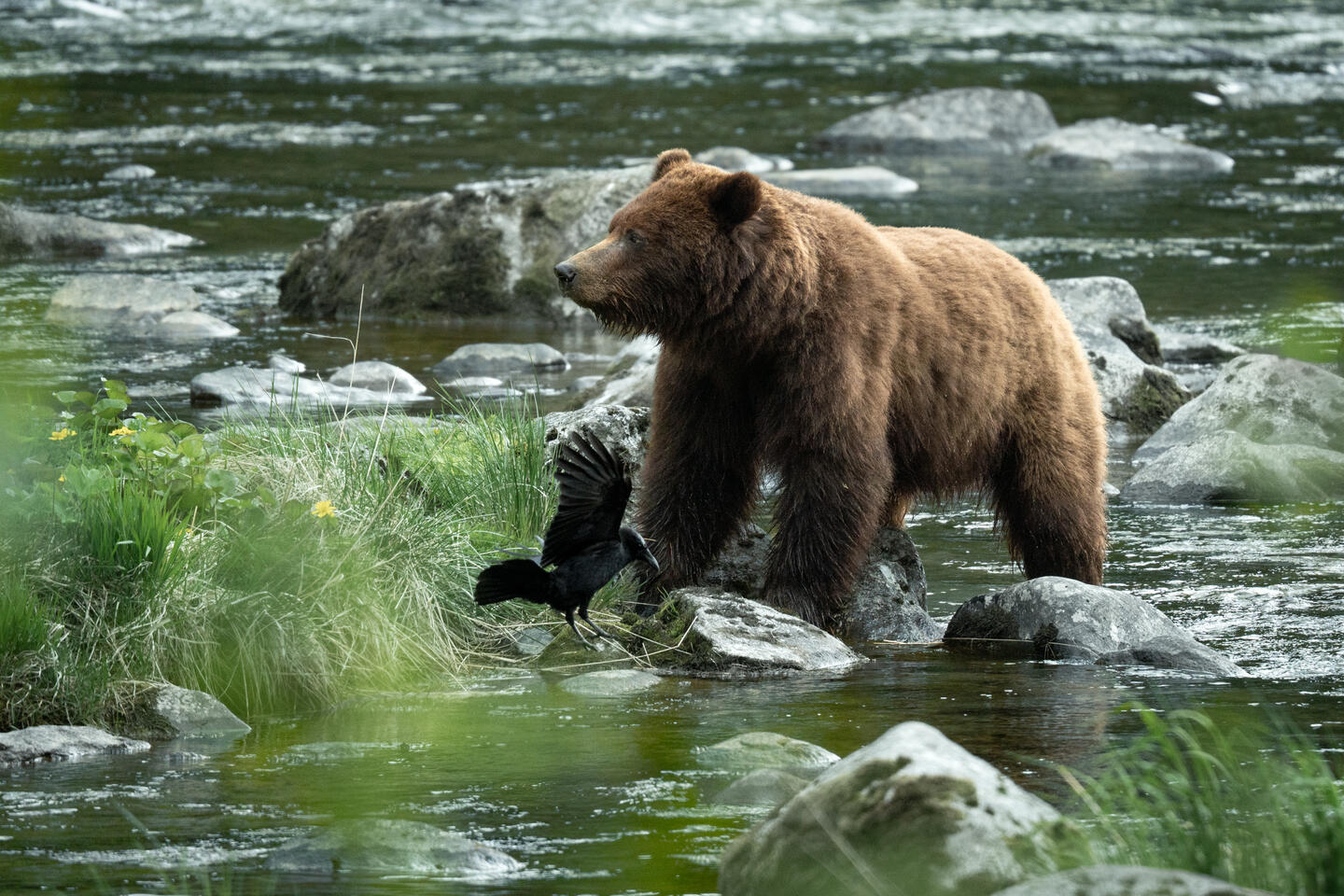
Water's Edge Wildlife


Collaborations
Utila Aqua-Dex Log Book
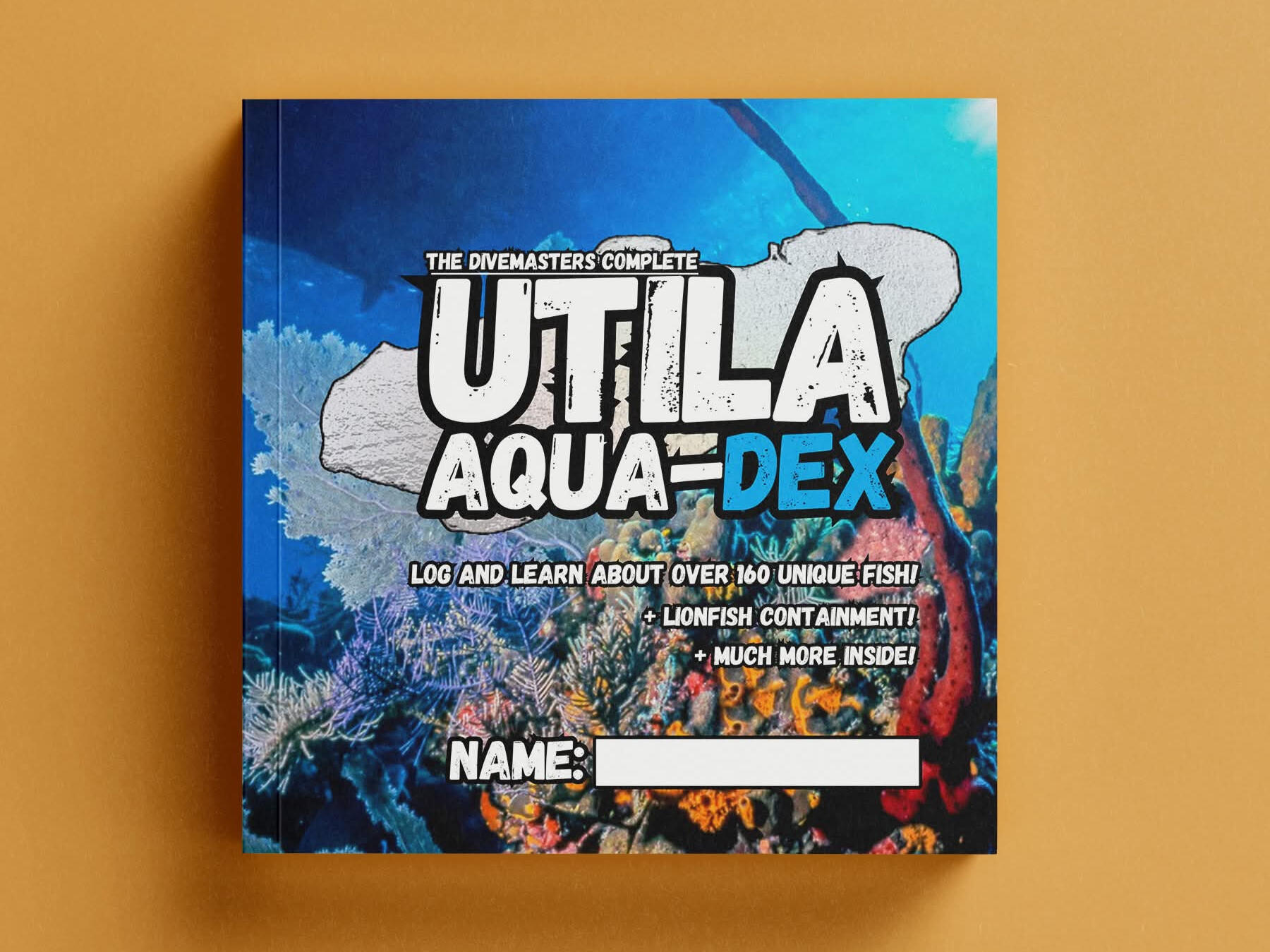
Created in collaboration with graphic designer George Mason, this illustrated dive logbook transforms dive logging into an engaging underwater scavenger hunt. I provided select wildlife imagery featured throughout the book, helping divers identify, learn about, and document the marine species they encounter around Utila.
The Reef Short Film
My first film collaboration explored the intersection of art and conservation through an abstract underwater narrative. Created with MVA Studio for Playboy TV Europe, The Reef juxtaposes the vulnerability of the human body with the fragility of coral reefs, while marine biologist Laura Olarte grounds the film with reflections on reef ecology, the threats corals face, and the actions each of us can take to help protect them.